




Products

Dungeness Crab
Alaskan King Crab
Lobster
Prawns (BC Shrimp)
Rock Fish - Varous Types
- Yellow Tail
-
Quill Black
- Yelloweye

- China Cod

- Copper Cod
- Pacific Rockfish (Pacific Snapper)
- Lingcod

- Pacific Halibut
Clams
Oysters
Scallop


Dungeness Crab

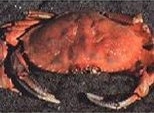
The Dungeness crab is considered the standard for quality, texture and taste. Dungeness crab is a good source of high-quality protein, it is low in fat and calories, and offers a rich supply of important minerals. The sweet-tasting Dungeness can be found on menus from New York to Shanghai! The Chinese translation for Dungeness is “very valuable crab,” and rightfully so.

Back To Top


Alaskan King Crab

In Alaska there are three commercial king crab species. Red king crabs, Paralithodes camtschaticus, have been the commercial “king” of Alaska’s crabs. It occurs from British Columbia to Japan with Bristol Bay and the Kodiak Archipelago being the centers of its abundance in Alaska. Blue king crabs, P. platypus, live from Southeastern Alaska to Japan with the Pribil of and St. Matthew Islands being their highest abundance areas in Alaska. Golden king crabs, Lithodes aequispinus, are distributed from British Columbia to Japan with the Aleutian Islands their Alaska stronghold of abundance.


Back To Top

Lobster

This product is received daily from the east coast. Lobsters thrive in sophisticated life-holding systems, gaining strength until they are hand-selected for vigor and hard-shelled excellence.

Back To Top


Prawns (B.C. shrimp)

B.C. shrimp are kept and transported live in temperature-controlled oxygenated water. Delivery is available to select locations (100 lb minimum order). Available in mixed size (containing medium to extra large tails) or large size, depending on availability


Back To Top


Yellow Tail

The Yellow Tail is olive green to dusky-brown with some light mottling dorsally, and light ventrally. Its rear edge of the anal fin is vertical or with slight anterior slant. Head spine is weak.


Back To Top


Quill Black

Slate-brown mottled with yellow and orange. Deeply incised membranes on spine’s dorsal fin. Strong head spines. Orange or brown mottling ventrally on head and anterior part of body. First dorsal fin with yellow streak.


Back To Top


Yelloweye

Orange red to orange yellow, bright yellow eye, fins may be black at tips. Rasp-like ridges above eye. Adults usually have light band on lateral line (line may be white). Juveniles have two light bands, one on lateral line and one shorter line below lateral line. A large rockfish

Back To Top


China Cod

Blue or black body color, mottled with yellow. Broad yellow stripe starting on 3rd dorsal spine and running along the side. Head spines thick, parietal ridges very high and thick. Small mouth.


Back To Top


Copper Cod

Variable coloration, dark brown or olive brown to copper with pink or yellow blotches, white undersides. A very popular fish among Chinese and Japanese cuisines.


Back To Top

Pacific Rockfish (Pacific Snapper)

Marketed widely as the Pacific Snapper, the Pacific Rockfish is the most important year-round source of ground fish on the west coast. These particular species are versatile and affordable, and have fillets that are mild and slightly sweet-tasting. The Pacific Rockfish is the staple seafood for supermarkets and restaurants from Seattle to San Diego.

Back To Top


Lingcod

The lingcod is a favourite among west coast chefs, many of whom prefer it over halibut. Neither being ling nor cod, the lingcod are actually members of the greenling family, which includes sculpins and scorpion fish. In the kitchen, the lingcod is a very versatile fish with a beautiful white and flakey meat. It is the favourite fish to fry in the Pacific Northwest and can be found in the best “fish n’ chip” restaurants.

Back To Top


Pacific Halibut

The Pacific Halibut is the ocean’s largest flatfish. They are well noted for their thick steaks and fillets. They are recognized in the kitchen for their mild taste and their excellent versatility. Pacific halibut can also make a superb “fish ‘n chips” dish, or be simply baked, grilled, broiled or pan-fried which yield excellent results.

Back To Top


Clams

The species that now dominates clam farming in BC is the Manila clam (Tapes philippinarum). Like the Pacific Oyster, Manila clams are not indigenous to the Pacific Northwest but were accidentally introduced.


Back To Top

Oysters

The Pacific Oyster is not native to this area but originated around the northern Japanese island of Hokkaido. The species native to this area, the Olympia oyster (Ostrea lurida) is a smaller and slower growing oyster.


Back To Top


Scallop

Scallop farming has only recently been developed in BC. There are several species of native wild scallops that are occasionally harvested on a very small scale: the Weathervane Scallop, Rock Scallop, Pink Scallop, and the Spiny Scallop.


Back To Top


Other
Ocean Run Seafood does supply some other, rarer species of seafood - please send us an email for more information on our other products.


(c) 2003-2006 Ocean Run Seafood Canada Ltd.
Website by Cordova Studios